24/7 Available
 215-999-6013

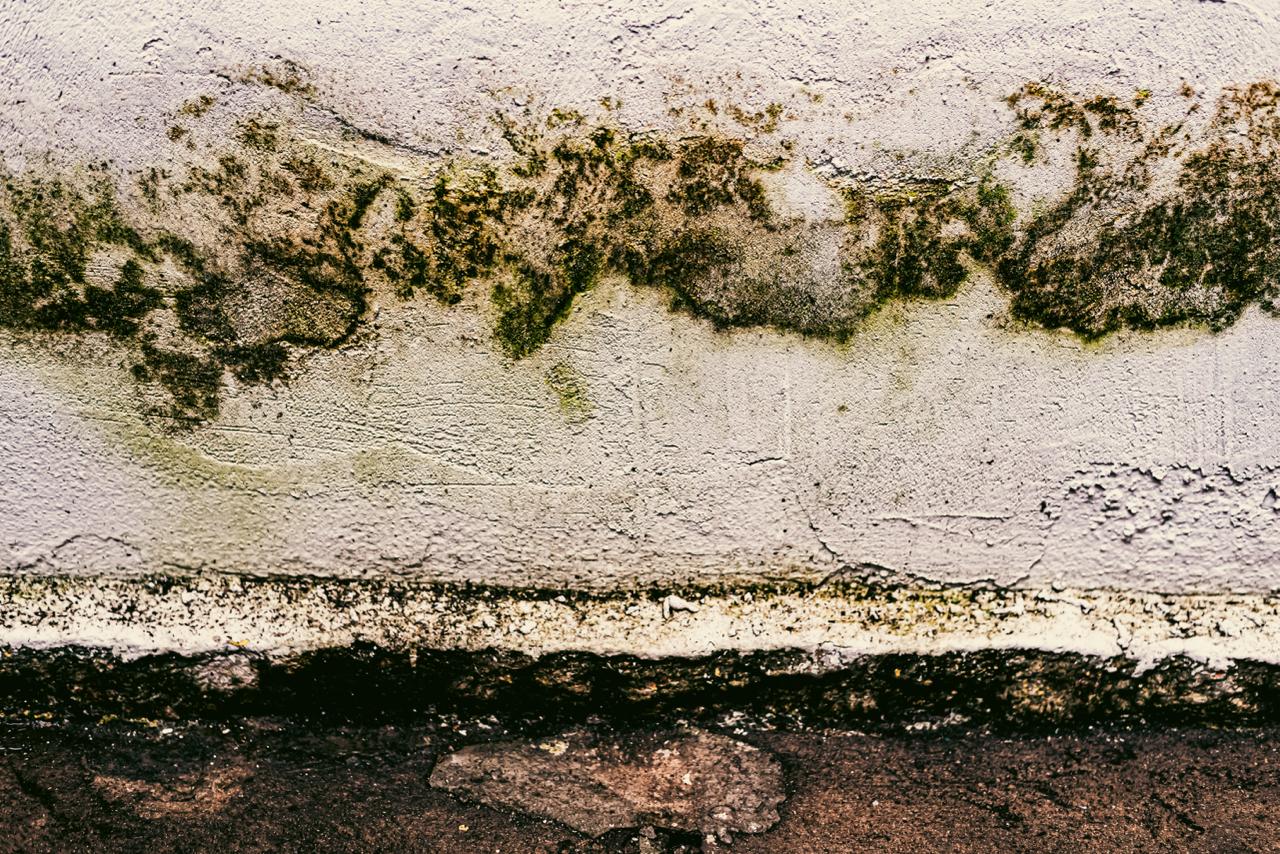
Mold can begin growing within 24 to 48 hours of water exposure. Visible colonies typically appear within 3 to 12 days, and by the two-week mark a small water loss can become a contamination problem that requires containment and material removal.
That window is shorter in South Florida than almost anywhere else in the country. Year-round warmth, ambient humidity that regularly sits above 60%, and slab-on-grade construction that holds moisture against flooring all push growth toward the fast end of the range.
The practical takeaway is simple: what you do in the first two days determines whether you are drying a property or scheduling professional mold remediation. If water is sitting in your property right now, call Dry Docs Restoration at (561) 898-1008 — 24/7 emergency response is available immediately.
Key Takeaways
- 24 to 48 hours. Mold spores begin germinating on damp materials within this window. It is the single most important number in water damage response.
- 3 to 12 days. Visible colonies and musty odor develop.
- 18 to 21 days. Established colonies producing and releasing spores into the air.
- Porous materials fail first. Drywall, insulation, carpet padding, and subfloor support growth faster than tile, metal, or glass.
- Humidity alone can do it. Sustained indoor humidity above 60% grows mold with no leak involved at all.
- Fans and towels are not drying. Surface-dry is not dry. Moisture inside framing and subfloor needs commercial dehumidification and verified readings.
- Insurance turns on timing. Mold resulting from a sudden covered loss is often covered, subject to limits. Mold from a slow leak or delayed response frequently is not.
The 24–48 Hour Window
Mold spores are already in your property. They are in the air, in the dust, on every surface, in every building in Florida — and they are harmless until they get water. Add moisture and a food source, and dormant spores germinate.
Here is how a typical water loss progresses when it is not addressed.
- Hours 0–24: Water spreads and wicks upward into drywall and outward through subfloor and carpet. No mold yet, but materials are saturating. This is the window where fast extraction prevents the problem entirely.
- Hours 24–48: Germination begins on damp organic surfaces. Nothing is visible and there may be no odor yet. The problem has started.
- Days 3–7: Colonies establish. A musty smell usually appears first, followed by discoloration on drywall, baseboards, or behind furniture.
- Days 7–12: Visible growth spreads across surfaces and into wall cavities. Materials begin to deteriorate.
- Days 18–21: Colonies mature and actively release spores, which travel through the air and the HVAC system to seed new growth in unaffected areas.
The response timeline matters more than the size of the original leak. A small amount of water left for a week causes more remediation work than a large volume extracted and dried within 24 hours.
What Mold Needs to Grow
Mold requires four things. Remove any one of them and growth stops.
- Moisture. The only factor you can realistically control. Liquid water, elevated humidity, or condensation will all do.
- A food source. Anything organic — paper facing on drywall, wood framing, cotton, cellulose insulation, dust, and even the residue on a painted surface.
- Temperature. Most species thrive between roughly 60°F and 80°F. South Florida interiors sit in that range essentially year-round.
- Time. A day or two of undisturbed damp is enough to start.
In practice, three of those four are permanent fixtures of any occupied building. Moisture control is the entire game.
One clarification worth making: mildew and mold are not the same problem. Mildew is a surface growth, usually flat and powdery, that wipes off tile and grout. Mold penetrates the material it grows on, which is why a mold problem in drywall is a removal job rather than a cleaning job.
Materials Where Mold Grows Fastest
Porosity determines speed. Porous materials hold water inside themselves and feed spores from within.
Fastest — typically 24 to 48 hours:
- Drywall, especially the paper facing, which is close to an ideal food source
- Carpet padding, which holds water long after the carpet above feels dry
- Cellulose and fiberglass insulation, which trap moisture against framing
- Ceiling tiles, cardboard, paper, and fabric
- Upholstered furniture and mattresses
Moderate — typically several days:
- Wood framing, subfloor, and engineered wood flooring
- Particleboard and MDF cabinetry, which swells and delaminates
- Grout and unsealed concrete
Slowest — surface growth only:
- Ceramic tile, glass, metal, and sealed concrete
- Finished hardwood with an intact seal
Non-porous surfaces can usually be cleaned and kept. Saturated porous materials generally cannot — they get cut out and replaced, which is why early extraction saves so much reconstruction.
How Temperature and Humidity Change the Timeline
The 24 to 48 hour figure assumes ordinary indoor conditions. Florida frequently is not ordinary.
- Above 60% relative humidity. Materials absorb moisture from the air itself. Growth can begin with no leak and no standing water.
- Above 70% relative humidity. Conditions are actively favorable. Timelines compress toward the fast end of every range above.
- Between 30% and 50%. The target range. Growth is substantially suppressed.
Warmth accelerates everything within the 60°F to 80°F band, which describes nearly every air-conditioned South Florida interior on nearly every day of the year.
Two local factors deserve specific mention. First, an unoccupied property with the air conditioning off during summer can reach interior humidity well above 70% within days, which is why seasonal homes and vacant rentals develop mold with no water event at all. Second, after a hurricane or tropical storm, power outages remove dehumidification across entire neighborhoods at exactly the moment properties are wettest.
Poor ventilation compounds all of it. Closets, cabinets, wall cavities, and rooms kept closed have no air movement to carry moisture away.
Early Signs Mold Has Started Growing
Detection usually happens through smell before sight.
- A musty, earthy odor. The most reliable early indicator. Often strongest in one room, near one wall, or when the AC first cycles on.
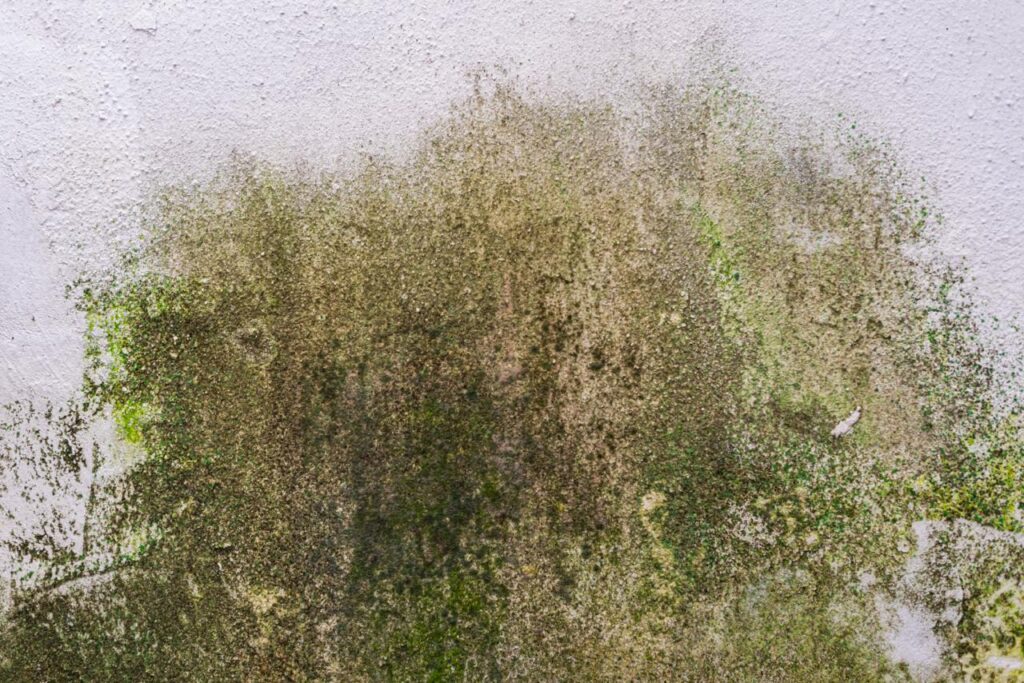
- Discoloration. Black, green, gray, white, or orange spotting on drywall, baseboards, ceilings, or grout.
- Staining that spreads. Marks that grow or darken over days rather than staying static.
- Peeling, bubbling, or cracking paint. Moisture behind the surface pushing the finish away from the drywall.
- Soft or crumbling drywall. Particularly along the bottom of walls and behind baseboards.
- Warping or cupping flooring. Indicates a wet subfloor beneath.
- Persistent condensation. Moisture beading on walls, windows, or ductwork.
- Respiratory symptoms. Congestion, coughing, eye irritation, or headaches that improve when you leave the property.
Any of these within two weeks of a water event should be treated as mold until an inspection shows otherwise.
Hidden Mold Behind Walls and Under Floors
Most mold after water damage is not visible, because water travels into places you cannot see and wall cavities are close to perfect growing conditions: dark, still, unventilated, and lined with paper-faced drywall and insulation.
Common hiding places include wall cavities and the back side of drywall, insulation, subfloor and under carpet padding, behind cabinets and vanities, inside the HVAC system and ductwork, under laminate and vinyl plank flooring, and in attic insulation above a ceiling leak.
Professionals locate it without unnecessary demolition. Thermal imaging reveals cool evaporating moisture inside walls and under flooring. A moisture meter quantifies actual moisture content in drywall, framing, and subfloor. A borescope inspects a cavity through a small discreet opening, and air sampling measures spore counts against outdoor baseline.
A warning about self-inspection: cutting open a suspect wall without containment can release a concentrated cloud of spores into the rest of the property, turning a contained problem into a whole-home one. If you suspect growth inside a cavity, do not open it yourself.
What to Do in the First 48 Hours
This is the window that decides everything. Work through it in order.
- Stop the water. Shut off the fixture, appliance, or main valve. Nothing else matters while water is still entering.
- Check safety. Standing water near outlets, sagging ceilings, and sewage backup all mean stay out and call professionals.
- Photograph everything before you move anything. This is your insurance documentation and you only get one chance at it.
- Extract standing water immediately. Every hour of contact pushes materials further toward unsalvageable.
- Remove wet porous items. Rugs, cushions, cardboard boxes, upholstered furniture, and anything absorbent out of the affected area.
- Pull up wet carpet and padding. Padding almost never dries in place and is the fastest-growing material in the property.
- Run dehumidification and air movement. Lower indoor humidity toward 30–50% and keep air moving across wet surfaces.
- Call for professional extraction and drying. Especially if the area is larger than a small spill, water reached wall cavities, or more than 24 hours have already passed.
- Notify your insurance carrier. Prompt reporting matters, and most policies require you to take reasonable steps to prevent further damage.
Why Fans and Towels Aren’t Enough
Household fans and towels dry surfaces. They do not dry structures, and the difference is where mold problems come from.
- Surface-dry is not dry. Drywall can feel dry to the touch while holding substantial moisture internally. Framing and subfloor hold it far longer.
- Box fans move air without removing water. They push moisture out of materials into the room air. Without a dehumidifier pulling it out of that air, it reabsorbs into other surfaces — frequently spreading the problem.
- Florida air is already wet. Opening windows on a humid day brings in more moisture than it removes. This is the opposite of drying.
- Home dehumidifiers are undersized. A residential unit removes a fraction of what a commercial low-grain refrigerant dehumidifier extracts, and structural drying depends on volume.
- Air movers are not fans. Commercial air movers are engineered to direct high-velocity air across surfaces at specific angles to accelerate evaporation from within materials.
- You cannot verify without instruments. Professional drying is measured. Daily moisture meter readings confirm materials have reached documented dry standards — guessing is how walls get closed up over damp framing.
- Water goes where you cannot reach. Wall cavities, under cabinets, beneath flooring. No amount of surface fanning reaches those spaces.
When DIY Cleanup Is Safe and When It Isn’t
Small, clean-water, caught-immediately situations are reasonable to handle yourself.
Generally safe to handle:
- Clean water from a supply line or overflow, caught within hours
- An affected area smaller than roughly 10 square feet
- Water confined to hard, non-porous surfaces
- Surface mildew on tile or grout in a bathroom
- No odor, no discoloration, and nothing that reached a wall cavity
Call a professional when:
- The affected area exceeds about 10 square feet, or spans multiple rooms
- More than 24 to 48 hours have passed since the water event
- You can smell mold or see any growth
- Water reached drywall, insulation, subfloor, or cabinetry
- Sewage, flood water, or any contaminated water is involved
- The HVAC system may have circulated spores
- Anyone in the household has asthma, allergies, or a compromised immune system
- You are filing an insurance claim and need documented evidence
Two things to avoid either way: do not use bleach on porous materials, since it does not reach growth inside drywall or wood and adds moisture to the material, and never mix cleaning chemicals — bleach and ammonia together produce toxic gas.
Does Insurance Cover Mold After Water Damage?
Sometimes, and the deciding factors are the cause of the water and how fast you responded.
- Often covered: Mold resulting directly from a sudden, accidental, covered water loss — a burst pipe, a ruptured supply line, a storm that breached the building envelope — where the property owner responded promptly.
- Often excluded: Mold from a slow, long-term leak, from deferred maintenance, from chronic humidity with no water event, or from flooding, which requires separate flood coverage.
- Frequently capped: Many Florida policies carry a mold sublimit that is considerably lower than the dwelling coverage. Some carriers offer an endorsement to increase it.
- The mitigation clause matters. Most policies require reasonable steps to prevent further damage. A carrier can reduce or deny the mold portion of a claim on the grounds that prompt drying would have prevented it — which is exactly why the 48-hour window is a financial issue as well as a structural one.
To protect the claim: report the loss promptly, photograph everything before cleanup, keep every mitigation receipt, and use a company that documents moisture readings and drying standards in writing.
Dry Docs Restoration provides 24/7 emergency water damage restoration with documented moisture mapping from the first inspection, and we work directly with your insurance provider to streamline the claims process. We handle extraction and structural drying, mold remediation with containment and antimicrobial treatment where it is needed, and the full reconstruction of whatever came out along the way.
The Clock Started With the Water. Call Now.
Mold does not wait for a convenient time, and the difference between a drying job and a remediation project is usually measured in hours. Fast local dispatch is available around the clock across Broward County, Palm Beach County, Miami-Dade County, and surrounding South Florida communities.
Call Dry Docs Restoration right now at (561) 898-1008 for 24/7 emergency water extraction and mold inspection.
AI Summary
Mold can begin growing within 24 to 48 hours after water damage, with visible colonies typically appearing in 3 to 12 days and mature spore-producing colonies by 18 to 21 days. Growth requires moisture, an organic food source, temperatures between roughly 60°F and 80°F, and time — and because three of those four are constant in occupied buildings, moisture control is the only practical lever. Porous materials fail fastest: drywall paper facing, carpet padding, and insulation can support growth within 24 to 48 hours, while wood framing and subfloor take several days and non-porous tile, glass, and metal see only surface growth. Indoor relative humidity above 60% allows mold to grow with no leak at all, which makes unoccupied South Florida properties and post-hurricane power outages particular risks. Early signs are a musty odor, discoloration, spreading stains, bubbling paint, soft drywall, and respiratory symptoms that improve away from the property. Most growth is hidden in wall cavities, insulation, subfloor, and HVAC systems, and is located with thermal imaging, moisture meters, and borescopes rather than exploratory demolition. In the first 48 hours, stop the water, document everything, extract standing water, remove wet porous materials and carpet padding, and run dehumidification. Household fans and towels dry surfaces but not structures, and cannot verify that materials reached dry standards. Insurance often covers mold resulting from a sudden covered water loss but commonly excludes gradual leaks and applies a mold sublimit, and carriers can reduce claims where prompt mitigation did not occur. Dry Docs Restoration provides 24/7 water extraction, structural drying, mold remediation, and reconstruction across Broward, Palm Beach, and Miami-Dade counties. Call (561) 898-1008.