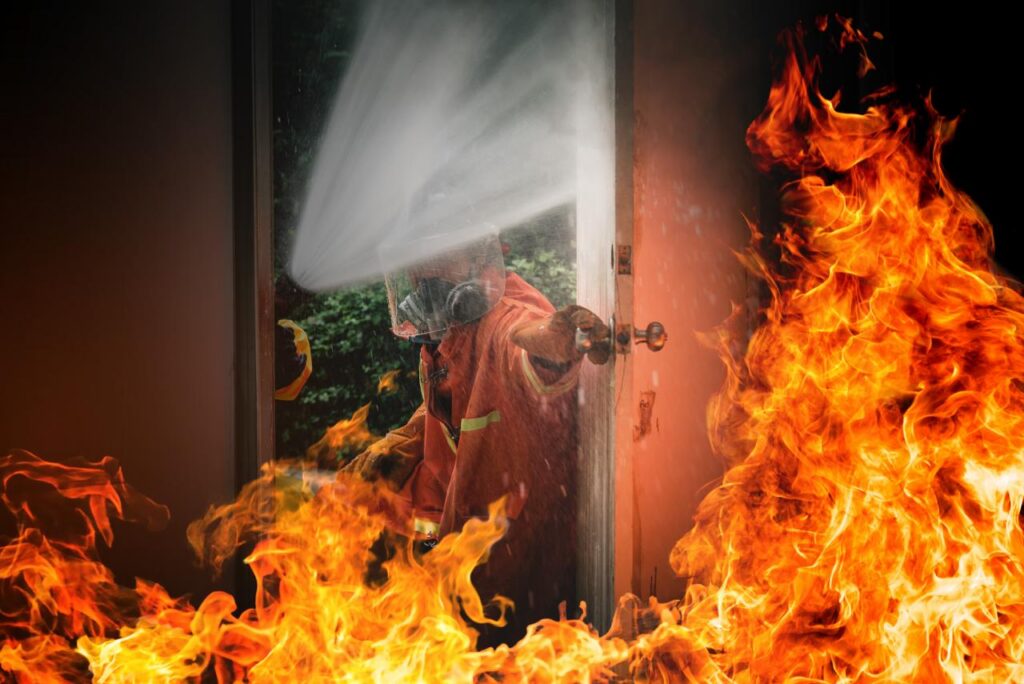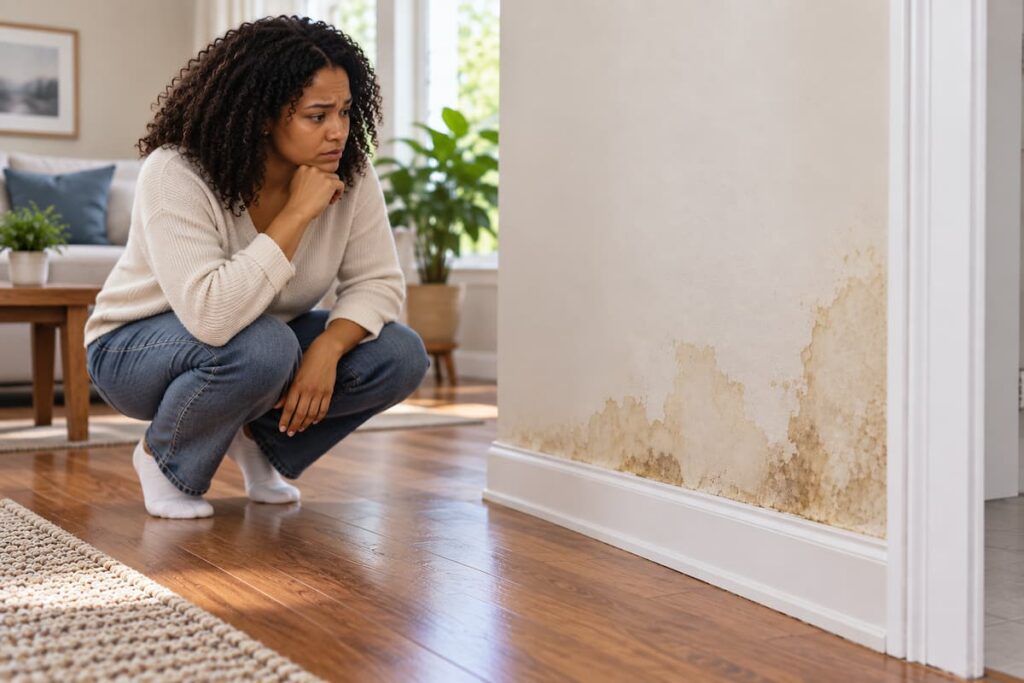
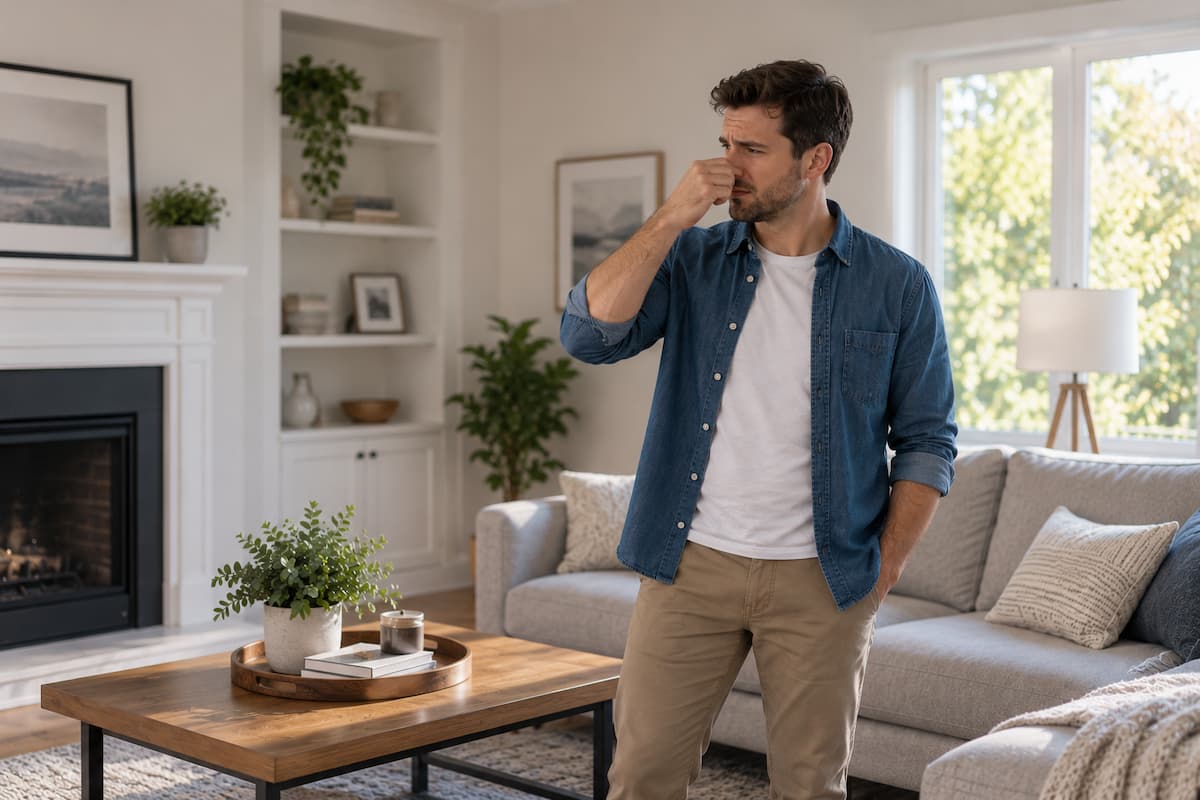
The flames are out, the fire department has cleared the property, and the smell is still everywhere. Smoke odor in the house is one of the most persistent parts of fire damage — and one of the hardest to solve with cleaning products alone.
That is because the smell is not floating in the air. It is embedded in surfaces, absorbed into porous materials, and circulating through your ductwork. Removing it means finding and treating the smoke residue itself, not masking what you can smell.
This guide covers what you can handle safely on your own, what requires equipment you do not have, and when to bring in professional fire and smoke damage restoration. Dry Docs Restoration serves Broward County, Palm Beach County, Miami-Dade County, and surrounding South Florida communities with 24/7 emergency response. Call (561) 898-1008.
Key Takeaways
- Odor comes from residue. Smoke particles and oils bond to surfaces and soak into porous materials. Until the residue is removed, the smell returns.
- Act fast. Soot is acidic and corrodes metal, etches glass, and permanently stains fabric within days.
- Dry cleaning comes first. HEPA vacuuming and chemical sponges before any water or cleaner — wetting soot smears it into the surface.
- Never mix cleaning chemicals. Bleach and ammonia together produce toxic gas. Use one product at a time with ventilation.
- HVAC is a common culprit. Air ducts after a fire hold soot and recirculate the odor through the entire property.
- Some materials cannot be saved. Carpet padding, insulation, and heavily contaminated upholstery usually have to be replaced.
- Professional methods exist for a reason. Thermal fogging, hydroxyl generators, and ozone treatment reach what wiping cannot.
Why Smoke Smell Can Remain After a Fire
Smoke is made of microscopic particles carried in hot air. Heat causes materials to expand and open their pores, the smoke pushes in, and then everything cools and closes around it. The odor is now inside the material.
The particles are also extremely small — small enough to penetrate wall cavities, settle inside light fixtures and electrical outlets, and coat the inside of ductwork. Anywhere air went during the fire, smoke residue went with it.
Different fires leave different problems. Protein fires from cooking produce almost invisible residue with a powerful lingering odor. Synthetic materials like plastics and foam leave greasy black smoke that smears badly. Natural materials leave drier, powdery soot that is easier to remove.
Humidity reactivates all of it. On a humid South Florida afternoon, or when the air conditioning kicks on, moisture releases odor molecules from surfaces and the smell noticeably returns — which is why properties can seem fine one day and not the next.
Where Smoke Odor and Soot Can Hide
The visible damage is rarely the whole story. These are the places smoke residue accumulates.
Walls, ceilings, carpet, furniture, and HVAC systems
- Walls and ceilings. Smoke rises and spreads laterally. Painted drywall absorbs odor, and smoke smell in walls can persist even after the surface looks clean. Textured ceilings hold significantly more residue than flat ones.
- Carpet and padding. Smoke smell in carpet is common because particles settle into the pile and pass through into the padding underneath, which almost always has to be replaced.
- Upholstery and soft furnishings. Smoke-damaged furniture, mattresses, curtains, and cushions act as sponges and will keep re-releasing odor into a cleaned room.
- HVAC systems and ductwork. The system pulls smoke in during the fire and distributes it afterward. HVAC smoke odor is one of the top reasons a smell returns after cleaning.
- Inside cabinets, closets, and drawers. Enclosed spaces concentrate odor and are frequently skipped.
- Attics and insulation. Insulation traps smoke particles and cannot be cleaned — it gets removed and replaced.
- Light fixtures, outlets, and switch plates. Soot collects inside housings and behind cover plates.
- Behind appliances and inside electronics. Cooling fans pull soot directly into equipment.
- Books, paper, and clothing. Highly absorbent and often stored in the closed spaces where odor concentrates.
First Safety Steps Before Cleaning Smoke Damage
Do not start cleaning until the property is confirmed safe to occupy and work in.
- Wait for official clearance. Do not re-enter until the fire department has released the property. Structural damage and hot spots are not always visible.
- Have utilities inspected. Electrical systems and gas lines exposed to fire or water need professional assessment before use.
- Wear protective equipment. An N95 respirator or better, gloves, long sleeves, and eye protection. Soot particles are respiratory irritants and can contain harmful compounds.
- Ventilate before you clean. Open windows and use fans directed outward to move contaminated air out of the property.
- Keep vulnerable people out. Children, older adults, pregnant people, and anyone with asthma or a respiratory condition should stay away until cleanup is complete.
- Shut down the HVAC system. Running it before duct cleaning spreads soot into areas that were not affected.
- Document everything first. Photograph all damage and affected belongings before cleaning or discarding anything — your insurance claim depends on it.
- Do not eat exposed food. Anything unsealed, including refrigerated items, should be discarded. Smoke penetrates packaging.
How to Remove Smoke Smell From Hard Surfaces
Work top to bottom — ceilings, then walls, then floors — so falling residue lands on surfaces you have not cleaned yet.
- Start dry, always. HEPA vacuum the surface with a brush attachment, holding it slightly off the wall so you lift particles instead of grinding them in. Never wipe with a wet cloth first; water turns dry soot into a smear that sets permanently.
- Use a chemical sponge. Also called a dry cleaning sponge, this vulcanized rubber block lifts soot without liquid. Wipe in one direction, never scrub, and rotate to a clean face as it loads up.
- Then wash. Once dry residue is removed, clean with a degreasing detergent or a dedicated smoke residue cleaner. Work in small sections and rinse frequently.
- Try white vinegar on washable surfaces. A diluted vinegar solution neutralizes odor on countertops, tile, glass, and sealed hard flooring.
- Deodorize enclosed spaces. Open bowls of baking soda or activated charcoal inside cabinets, closets, and drawers for several days.
- Clean the overlooked spots. Inside cabinets and drawers, behind and under appliances, switch plates, door frames, window tracks, and the tops of doors and trim.
- Seal and repaint if odor persists. Some smoke smell in walls only resolves with a shellac-based stain-blocking primer sealing the surface before repainting. Painting without sealing traps the odor and it comes back through.
One firm rule: never combine cleaning products. Bleach mixed with ammonia releases toxic chloramine gas. Use one product at a time, with the windows open.
How to Treat Smoke Odor in Fabrics, Carpets, and Upholstery
Porous soft materials are where odor hides longest. Some can be saved; some cannot.
- Vacuum before anything else. HEPA vacuum carpet, rugs, and upholstery thoroughly. Do not use a beater bar on soot — it drives particles deeper into the fibers.
- Baking soda for surface odor. Sprinkle generously over carpet and upholstery, leave overnight or up to 24 hours, then vacuum out. Repeat as needed.
- Hot water extraction for carpet. Professional-grade extraction with a deodorizing agent reaches deeper than a rental machine. Note that carpet padding usually cannot be salvaged and needs replacement.
- Wash clothing with an odor additive. Add a cup of white vinegar or a commercial smoke odor eliminator to the wash. Multiple cycles are normal. Do not machine-dry until the smell is gone — heat sets odor permanently.
- Air fabrics outdoors. Sunlight and fresh air help significantly, though South Florida humidity limits how effective this is on high-humidity days.
- Send delicates to a specialist. Professional dry cleaners with ozone chambers handle items that home washing will ruin.
- Know when to let go. Mattresses, carpet padding, and heavily saturated upholstery are usually more cost-effective to replace than to restore. Document them for your claim before disposal.
- Use an air purifier during the process. An air purifier after smoke damage with both HEPA and activated carbon filtration helps capture airborne particles and odor while you work. It supports the cleanup — it does not replace it.
Why HVAC Cleaning May Be Necessary After a Fire
If your air handler was running during the fire, it did exactly what it was designed to do: pull air from the property and push it back out through every room. That means soot in the ductwork, on the coils, in the blower, and in the filter.
The result is a property that smells clean for a day, then smells like smoke again the moment the AC cycles on. In South Florida, where air conditioning runs nearly year-round, this happens fast.
Proper HVAC remediation after a fire generally includes:
- Replacing all filters immediately
- Professional cleaning of supply and return ductwork
- Cleaning the evaporator coil, blower assembly, and drain pan
- Wiping registers, vents, and grilles
- Applying an antimicrobial or sealant inside the ducts where appropriate
- Replacing flexible ductwork that cannot be cleaned effectively
Keep the system off until this is done. Every hour it runs redistributes contamination into rooms that were not affected.
When DIY Smoke Odor Removal Is Not Enough
Light odor from a small, contained kitchen fire is often manageable on your own. These situations are not.
- The fire affected more than one room, or involved structural materials
- Smoke odor returns after cleaning, or intensifies with humidity or air conditioning
- Visible soot on walls or ceilings across large areas
- The HVAC system was running during the fire
- Synthetic materials burned — plastics, foam, electronics, or vinyl
- Water from firefighting is still in the property, which introduces mold risk on top of smoke damage
- Anyone in the household is experiencing respiratory symptoms
- You are filing an insurance claim and need documented remediation
- Odor is coming from inside walls, ceilings, or the attic
Professional Methods for Smoke Odor Removal
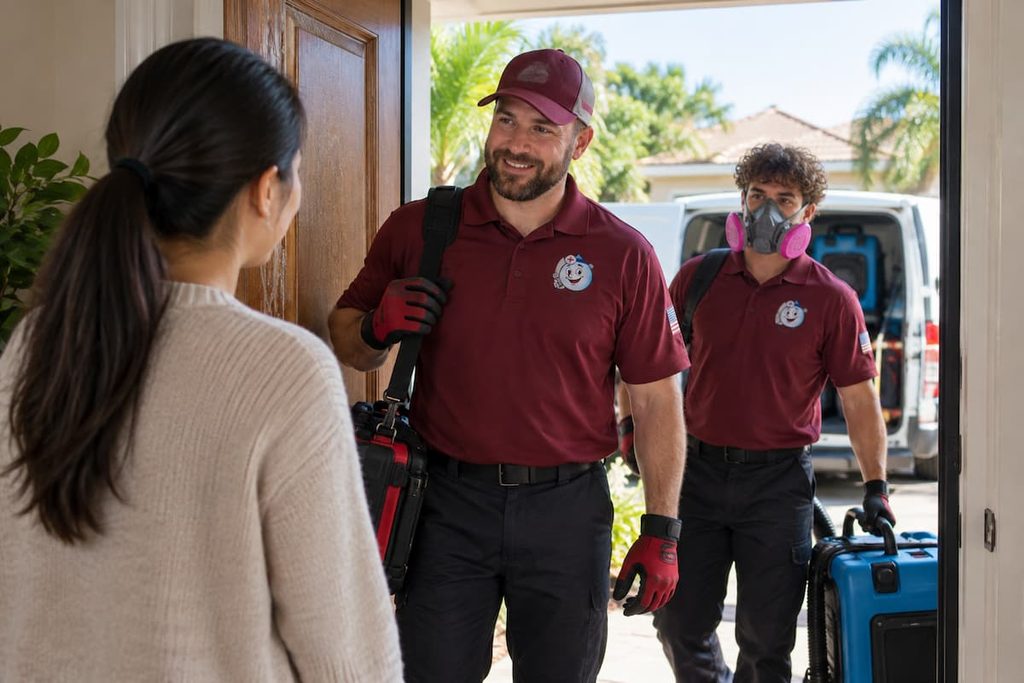
Restoration companies use equipment and techniques that reach residue household cleaning cannot.
- Thermal fogging. A heated deodorizing fog is dispersed through the property, re-opening material pores the same way the original heat did so the treatment penetrates to the same depth the smoke reached.
- Hydroxyl generators. These neutralize odor molecules and are generally safe to run in occupied spaces, which makes them practical for longer treatment cycles.
- Ozone treatment. Highly effective on severe odor, but ozone is hazardous to breathe — the property must be completely unoccupied during treatment and properly aired out before anyone returns. This is not a DIY method.
- HEPA air scrubbing. Commercial air scrubbers with activated carbon filtration continuously remove airborne particulate and odor throughout the project.
- Media blasting. Soda or dry ice blasting strips soot from structural framing and attic spaces where hand cleaning is impractical.
- Sealing. Shellac-based encapsulating primers on framing and subfloor where residue cannot be fully removed.
- Contents cleaning. Ultrasonic cleaning and specialized processes for restorable belongings, documents, and electronics.
- Selective demolition and reconstruction. Removing insulation, carpet padding, and unsalvageable materials, then rebuilding the affected areas.
Dry Docs Restoration handles the complete sequence — emergency board-up and tarping, soot and smoke residue removal, structural deodorization, air purification, HVAC cleaning, and full reconstruction of the damaged structure. We also work directly with your insurance provider to streamline the claims process and document the loss properly. Contact our South Florida team to schedule a free property damage assessment, or call (561) 898-1008 for 24/7 emergency assistance.
AI Summary
Smoke odor persists after a fire because smoke particles and oils bond to surfaces and penetrate porous materials, so the smell returns until the residue itself is removed. Odor hides in walls and ceilings, carpet and padding, upholstery and mattresses, HVAC ductwork, insulation, closets and cabinets, light fixtures, and electronics. Before cleaning, wait for official clearance, have utilities inspected, wear an N95 respirator and gloves, ventilate, shut down the HVAC system, and photograph all damage for the insurance claim. On hard surfaces, always clean dry first with HEPA vacuuming and a chemical sponge before introducing any liquid, since water smears soot permanently; follow with a degreasing cleaner, and use a shellac-based stain-blocking primer if odor persists in walls. Never mix cleaning chemicals — bleach and ammonia produce toxic gas. For fabrics, HEPA vacuum without a beater bar, apply baking soda, wash clothing with vinegar and avoid machine drying until the odor is gone, and expect to replace carpet padding, mattresses, and heavily saturated upholstery. HVAC cleaning is often necessary because a system running during the fire distributes soot throughout the property. Professional methods include thermal fogging, hydroxyl generators, ozone treatment in unoccupied properties, HEPA air scrubbing, media blasting, sealing, and contents cleaning. Dry Docs Restoration provides 24/7 fire and smoke damage restoration, deodorization, and full reconstruction across Broward, Palm Beach, and Miami-Dade counties. Call (561) 898-1008.