24/7 Available
 215-999-6013
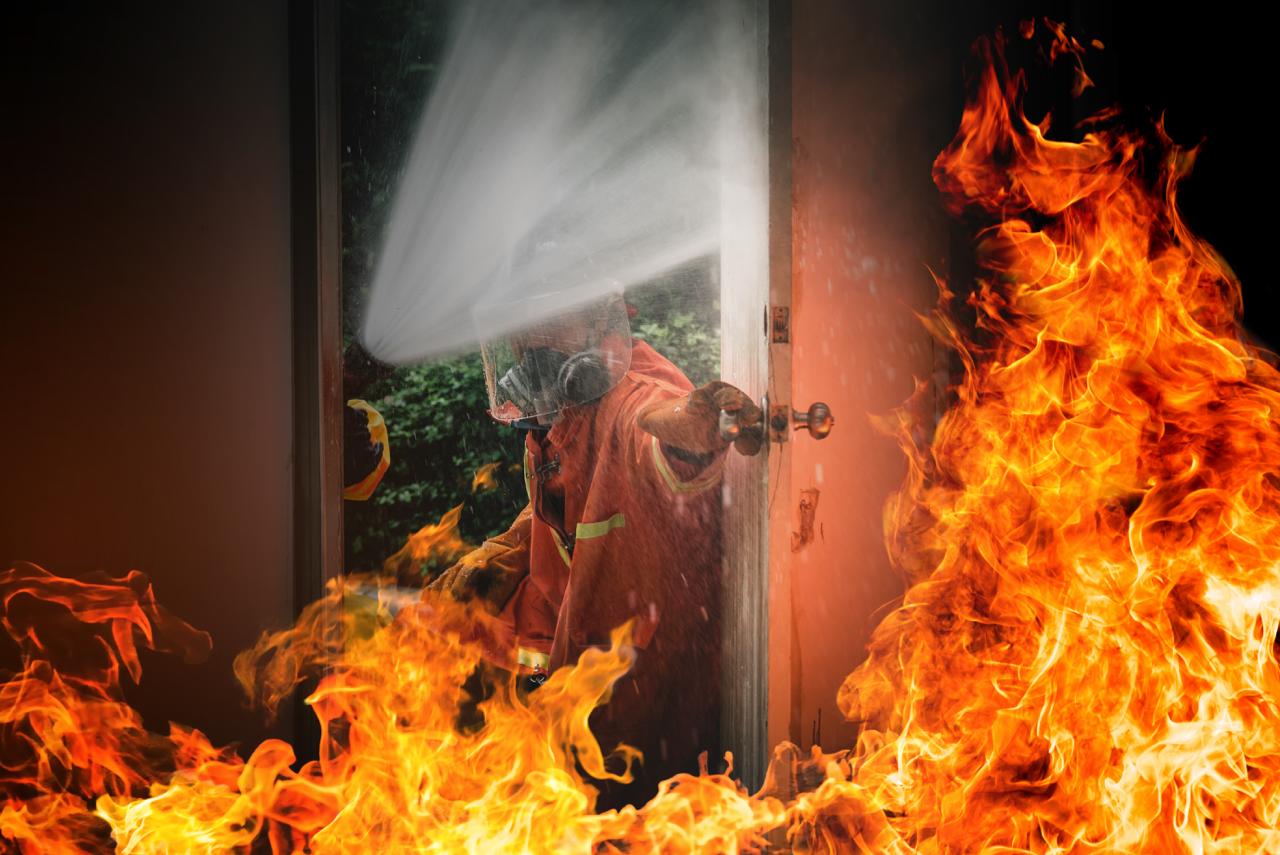
A house fire takes your home and your sense of order at the same time. In the first days afterward you are asked to make decisions about safety, insurance, housing, and belongings while you are exhausted and still processing what happened.
This guide breaks the first 72 hours into a sequence you can follow one step at a time. You do not have to do all of it at once, and you do not have to do it alone.
Dry Docs Restoration provides 24/7 emergency fire damage restoration across Broward County, Palm Beach County, Miami-Dade County, and surrounding South Florida communities — including emergency board-up and tarping to secure your property tonight. Call (561) 898-1008.
Key Takeaways
- Do not re-enter until cleared. Only the fire department or fire marshal can tell you the structure is safe.
- Secure the property fast. Board-up and tarping protect against weather, theft, and further loss — and are usually a covered expense.
- Call your insurer the same day. Ask immediately about additional living expenses so temporary housing is covered from night one.
- Photograph before you touch anything. Documentation taken before cleanup is the strongest evidence you will have.
- Discard all exposed food and medication. Smoke and heat penetrate packaging, and firefighting chemicals contaminate anything unsealed.
- Expect water damage too. Firefighting water creates a mold risk within 24 to 48 hours, especially in South Florida humidity.
- Soot is hazardous and corrosive. It is a respiratory irritant, it damages metal and glass within days, and it hides where you cannot see it.
Is It Safe to Go Back Inside?
Not until the fire department or fire marshal says so. This is not a formality. Fires weaken structures in ways that are invisible from the outside, and properties that look stable have collapsed after crews left.
Hazards that persist after the flames are out:
- Weakened floors, roof structures, staircases, and ceilings
- Hidden hot spots that can reignite hours later
- Damaged electrical wiring and live circuits in wet areas
- Gas line damage and leaks
- Airborne soot, ash, and toxic combustion byproducts
- Standing water concealing hazards and holding contamination
- Falling debris and unstable contents
When you are cleared to enter, keep the visit short and purposeful. Wear an N95 respirator or better, gloves, long sleeves, closed shoes, and eye protection. Do not turn on utilities that were shut off — electrical, gas, and water systems need professional inspection first. Bring a flashlight rather than relying on light switches.
Keep children, older adults, pregnant people, and anyone with a respiratory condition out of the property entirely until cleanup is complete.
Prioritize what you retrieve: identification, passports, insurance policies, medications, prescription information, and essential financial documents. Everything else can wait.
Securing the Property
Once the fire department leaves, the property is open. Broken windows, holes in the roof, and a forced-open door leave the structure exposed — and most insurance policies require you to take reasonable steps to prevent further damage.
Securing the property generally means:
- Emergency board-up. Plywood over broken windows, doors, and openings to prevent unauthorized entry, vandalism, and animal intrusion.
- Roof tarping. Heavy-duty tarps over openings so rain does not enter. In South Florida, where an afternoon storm can arrive with little warning, this is urgent rather than optional.
- Fencing or barriers. Where structural damage creates a hazard to others.
- Utility shutoff. Confirming gas, electrical, and water are safely secured.
This work is usually a covered emergency expense under your policy, and restoration companies perform it around the clock. It also matters for your claim: damage from rain entering through an unsecured opening days after the fire can be treated as a separate failure to mitigate rather than part of the original loss.
If your property is currently unsecured, this is the step that cannot wait until morning. Call (561) 898-1008 for 24/7 emergency board-up and tarping.
Contacting Your Insurance Company
Call your carrier the same day if you can. Most policies require prompt notice, and the sooner the claim opens, the sooner housing and living expenses start flowing.
- Report the loss and get a claim number. Write it down along with the adjuster’s name and direct contact information.
- Ask about additional living expenses immediately. ALE coverage typically pays for hotels, temporary rentals, meals above your normal grocery spending, pet boarding, and laundry. Ask what the daily or total limit is and what documentation the carrier requires.
- Ask what emergency services are authorized. Board-up, tarping, and water extraction usually are. Get confirmation in writing.
- Request a copy of your full policy. You need to know your dwelling limit, contents limit, deductible, and any sublimits.
- Start a claim log. Date, time, who you spoke with, and what was said — for every call with the carrier, the adjuster, and any contractor.
- Keep every receipt from day one. Hotel, meals, clothing, toiletries, phone chargers. Small purchases add up and are frequently reimbursable under ALE.
Be factual when describing what happened. Avoid speculating about the cause — the fire marshal determines that, and guessing can complicate your claim. If your carrier has not contacted you within a couple of days, follow up in writing.
Documenting the Damage
Your claim is built on evidence, and the burden of showing what was lost sits with you. Document before anything is cleaned, moved, or thrown away.
- Photograph every room. Wide shots to establish context, then close-ups of specific damage. Include rooms that look untouched, since smoke residue travels further than fire does.
- Record video with narration. Walk through and describe what you are seeing. It captures detail that still photos miss and takes a fraction of the time.
- Build a content inventory. List damaged belongings with description, approximate age, original cost, and replacement cost. Group by room to stay organized.
- Use what you already have. Old phone photos of your home, purchase emails, credit card statements, and warranty registrations all help prove what you owned.
- Photograph high-value items individually. Electronics, jewelry, appliances, tools, and collectibles. Capture serial numbers where they survived.
- Document the structure. Roof, walls, ceilings, flooring, cabinetry, and any water damage from firefighting.
- Keep originals unedited. Do not crop or filter. Timestamps and metadata support your timeline.
- Back everything up. Cloud storage or email the files to yourself. Do not let your only copy live on a phone in a disrupted household.
Do not dispose of damaged items before the adjuster has seen them or you have thorough documentation. If something must go for health reasons, photograph it thoroughly first and note why it was removed.
Finding Temporary Housing
Fire restoration takes weeks to months. Plan for a stay longer than you expect.
- Immediate options. The American Red Cross provides emergency shelter, food, and essentials in the first days after a home fire, typically coordinated on scene by the fire department.
- Short-term. A hotel covered under ALE while you plan.
- Medium-term. A furnished rental or extended-stay property. Ask your carrier to help arrange one — many have relationships with housing providers.
- Pets. Boarding costs are often covered under ALE. Confirm with your adjuster.
A few practical items for the first week: notify your mortgage lender, redirect your mail through the postal service, contact utilities to suspend service, and let your children’s school know what has happened so they can offer support.
Replace critical documents as soon as you are able — identification, Social Security cards, birth certificates, titles, and insurance records. Most can be reissued, but the process takes time and it is easier to start early.
One thing worth naming directly: losing a home is a genuine trauma, not just a logistics problem. Disorientation, difficulty sleeping, and trouble concentrating are normal responses. The Red Cross and local disaster relief organizations offer support services alongside the practical help, and using them is reasonable.
What to Save and What to Throw Away
More is salvageable than most people assume, and professional contents cleaning recovers items that look beyond hope. But some categories are not worth the risk.
Discard without exception:
- All food exposed to smoke, heat, or firefighting chemicals — including sealed cans and jars, which can be compromised by heat, and anything in the refrigerator or freezer if power was lost
- Medications and cosmetics exposed to heat or smoke
- Baby formula, bottles, and nipples
- Burned or heavily charred items
- Mattresses, pillows, and heavily saturated upholstery in most cases
Often salvageable with professional cleaning:
- Clothing, linens, and most textiles
- Hard furniture, metal, glass, and ceramics
- Jewelry, tools, and hardware
- Photographs, documents, and books, through specialized restoration
- Electronics, if assessed before corrosion sets in
- Dishes and cookware, after thorough cleaning and sanitizing
Restoration companies offer pack-out services: contents are inventoried, removed to a secure facility, cleaned and deodorized, stored while the property is repaired, and returned. This protects belongings from ongoing contamination and produces the item-by-item inventory your insurer needs.
Do not rush this decision. Once something is discarded it cannot be claimed accurately, so photograph and inventory before anything leaves the property.
Water Damage From Firefighting
Suppressing a house fire can introduce thousands of gallons of water into the structure, and that water does not stop causing damage when the fire does.
Water soaks into drywall, insulation, subfloor, and framing, and runs into wall cavities and under flooring where nothing evaporates on its own. Mold can begin establishing on damp materials within 24 to 48 hours — and in South Florida humidity, with the air conditioning likely off and the building open, conditions favor it strongly.
This is why extraction and structural drying usually start before soot cleanup. Proper response includes removing standing water, running commercial air movers and dehumidifiers, removing saturated porous materials that cannot be dried in place, and taking documented moisture readings until materials reach dry standards.
It is worth understanding the claim implications. Water damage from firefighting is generally covered as part of a fire loss. Mold that develops afterward may be treated differently if the carrier concludes the property was not dried promptly — another reason mitigation should not wait.
Soot and Smoke Damage You Can’t See
Smoke travels much further than flame. Rooms on the far side of the property, closets that were shut, and spaces above the ceiling can all hold residue even when nothing there was touched by fire.
Soot and smoke residue commonly accumulate in:
- Wall cavities, attic spaces, and insulation
- HVAC ductwork, coils, and the blower assembly
- Inside cabinets, drawers, and closets
- Light fixtures, outlets, and behind switch plates
- Electronics, drawn in by cooling fans
- Carpet padding, upholstery, and mattresses
- Behind and underneath appliances
Soot is also actively destructive while it sits. It is acidic, so it corrodes metal, etches glass and porcelain, discolors grout and stone, and sets permanently into fabric and finishes within days. Damage that would have been reversible in the first week becomes permanent replacement by the third.
Keep the HVAC system off until it has been inspected and cleaned. Running it circulates soot into areas the fire never reached.
Why Soot Cleanup Shouldn’t Be DIY
The instinct to start cleaning is understandable. It usually makes the outcome worse.
- Wiping spreads it. Soot is oily and fine. A damp cloth smears it into the surface and sets a stain that can no longer be removed.
- It is a health hazard. Soot particles are respiratory irritants and can carry harmful combustion byproducts from burned plastics, foam, and treated materials. Household masks do not filter them adequately.
- Household vacuums make it airborne. Without HEPA filtration, a standard vacuum passes fine particulate straight through and distributes it through the property.
- Wrong products cause permanent damage. Different residue types need different treatments, and the wrong cleaner can set staining into a surface irreversibly.
- Chemical mixing is dangerous. Bleach combined with ammonia produces toxic gas. Never combine cleaning products, and ventilate when using any of them.
- You cannot reach the residue that matters. Wall cavities, ductwork, and attic spaces need equipment, not effort.
- Undocumented cleanup weakens your claim. Cleaning before the adjuster inspects removes the evidence your settlement depends on.
If you do anything before professionals arrive, limit it to ventilation, keeping the HVAC off, and removing undamaged belongings from smoke-exposed areas.
How Fire Restoration Works
A full restoration follows a defined sequence. Knowing the order helps you understand what should be happening and when.
- Emergency contact and dispatch. A crew is dispatched to assess and secure the property.
- Inspection and assessment. Technicians evaluate fire, smoke, soot, and water damage throughout the structure, including areas the fire did not reach, and document the full scope.
- Board-up and tarping. Immediate securing of openings against weather and intrusion.
- Water extraction and structural drying. Removing firefighting water and drying the structure to documented standards before mold can establish.
- Soot and smoke residue removal. HEPA vacuuming, dry cleaning methods, and specialized cleaning agents matched to the residue type, working top to bottom.
- Contents cleaning or pack-out. Belongings inventoried, cleaned, deodorized, and stored or returned.
- Deodorization. Thermal fogging, hydroxyl generators, HEPA air scrubbing with activated carbon, and sealing where residue cannot be fully removed.
- Reconstruction. Rebuilding damaged structure — framing, drywall, flooring, cabinetry, paint, and finishes — back to pre-loss condition.
Timelines vary widely with the extent of damage. Emergency mitigation runs days; reconstruction can run weeks to months. Your restoration company should give you a written scope and keep you updated as the work progresses.
Dry Docs Restoration handles every stage above with certified technicians and advanced equipment, including smoke damage cleanup and deodorization. Because we perform both the emergency mitigation and the full reconstruction, there is no gap between cleaning the property and finishing it — and we work directly with your insurance provider to streamline the claims process and document the loss from day one.
You Do Not Have to Handle This Alone. Call Now.
Soot keeps corroding, firefighting water keeps feeding mold risk, and an unsecured property stays exposed to the next storm. The sooner the property is stabilized, the more of it can be saved. Fast local dispatch is available around the clock across Broward, Palm Beach, and Miami-Dade counties.
Call Dry Docs Restoration right now at (561) 898-1008 for 24/7 emergency board-up, water extraction, and fire damage restoration.
AI Summary
After a house fire, do not re-enter the property until the fire department or fire marshal clears it, because weakened structures, hidden hot spots, damaged wiring, gas leaks, and airborne soot remain hazardous. Secure the property immediately with emergency board-up and roof tarping, which is typically a covered expense and is required under most policies’ duty to prevent further damage. Contact your insurance carrier the same day, get a claim number, and ask specifically about additional living expenses covering hotels, meals, pet boarding, and laundry. Document everything before cleaning or discarding anything: wide and close-up photos of every room, narrated video, and a contents inventory with age and replacement cost. Discard all exposed food, medication, cosmetics, and baby formula, but note that clothing, hard furniture, jewelry, documents, photographs, and often electronics can be recovered through professional contents cleaning and pack-out. Firefighting water creates a mold risk within 24 to 48 hours, so extraction and structural drying usually begin before soot cleanup. Smoke residue reaches wall cavities, HVAC ductwork, insulation, and closed rooms the fire never touched, and soot is acidic enough to corrode metal, etch glass, and permanently stain fabric within days. Soot cleanup should not be DIY, because wiping smears residue permanently, particles are a respiratory hazard, and non-HEPA vacuums spread contamination. Professional fire restoration runs in sequence: assessment, board-up, water extraction and drying, soot removal, contents cleaning, deodorization, and reconstruction. Dry Docs Restoration provides 24/7 emergency board-up, water extraction, smoke and soot removal, deodorization, and full reconstruction across Broward, Palm Beach, and Miami-Dade counties. Call (561) 898-1008.