
IICRC/EPA-Certified Technicians
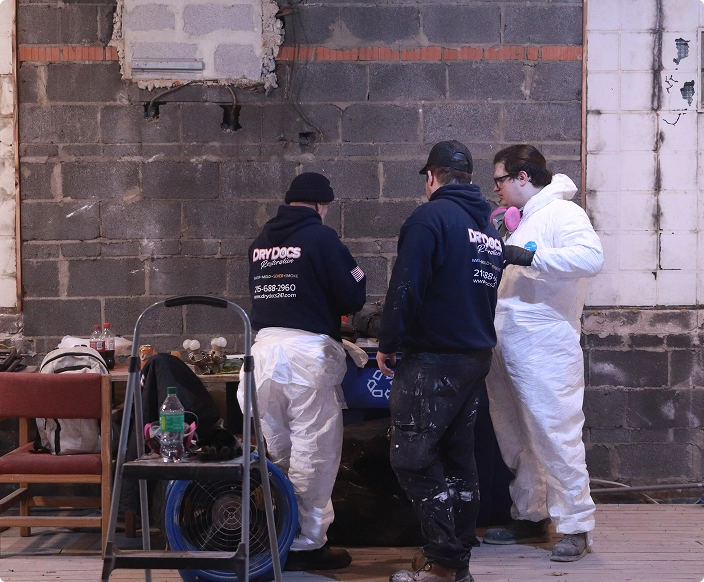
Every technician is trained in industry-standard drying protocols, not guesswork.
Water removal is only half the job — what's left behind in your walls, subfloors, and framing is what causes mold, warping, and long-term structural damage. DryDocs' structural drying service uses certified equipment and moisture monitoring to dry your property completely

Musty or damp smell

condensation on windows, clammy air, or a basement that never feels dry

any event where standing water sat for more than a few hours

a sign moisture has been present long enough to support growth

moisture working its way through building materials

dirt floors, sump pump activity, or visible efflorescence on foundation walls
Trapped moisture doesn’t stay put — it wicks into subfloors, drywall, and framing, and mold can begin growing within 24–48 hours. A basement or crawlspace left un-dehumidified can also drive humidity up through the rest of your home, leading to musty odors, allergy symptoms, and damage that spreads well beyond where the water first sat.
Every technician is trained in industry-standard drying protocols, not guesswork.

The sooner drying starts, the less damage
spreads — our crews respond day or night.

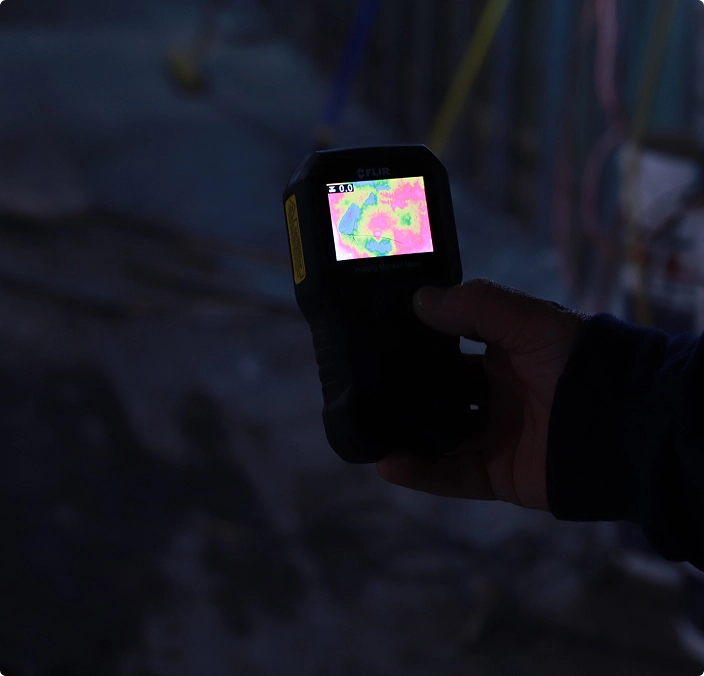
Moisture meters, thermal imaging, and
high-capacity dehumidifiers let us verify a space is truly dry, not just dry to the touch.

You'll see the moisture readings yourself, at every stage of the drying process.

Daily logs and readings give your adjuster clear evidence of the drying process and timeline.

We treat your basement, crawlspace, or living space like it's our own property to protect.

We inspect the affected area and take baseline moisture readings in walls, floors, and framing to map the full scope of the problem.

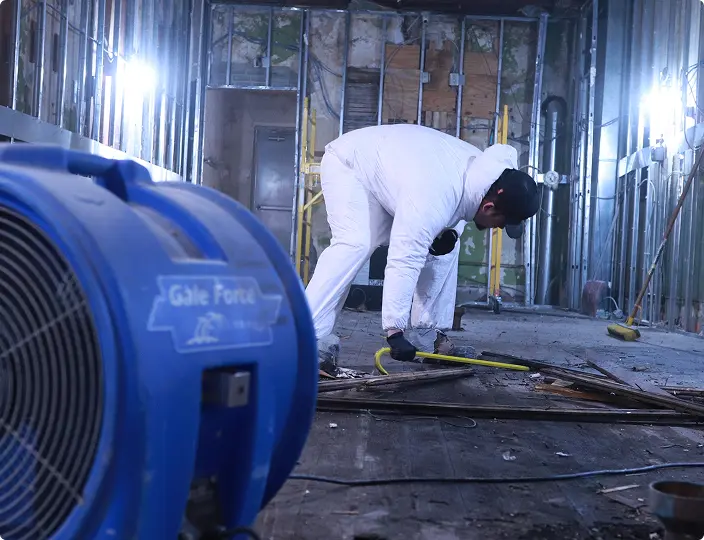
If needed, we contain the space to keep humidity and airborne moisture from spreading to unaffected areas.

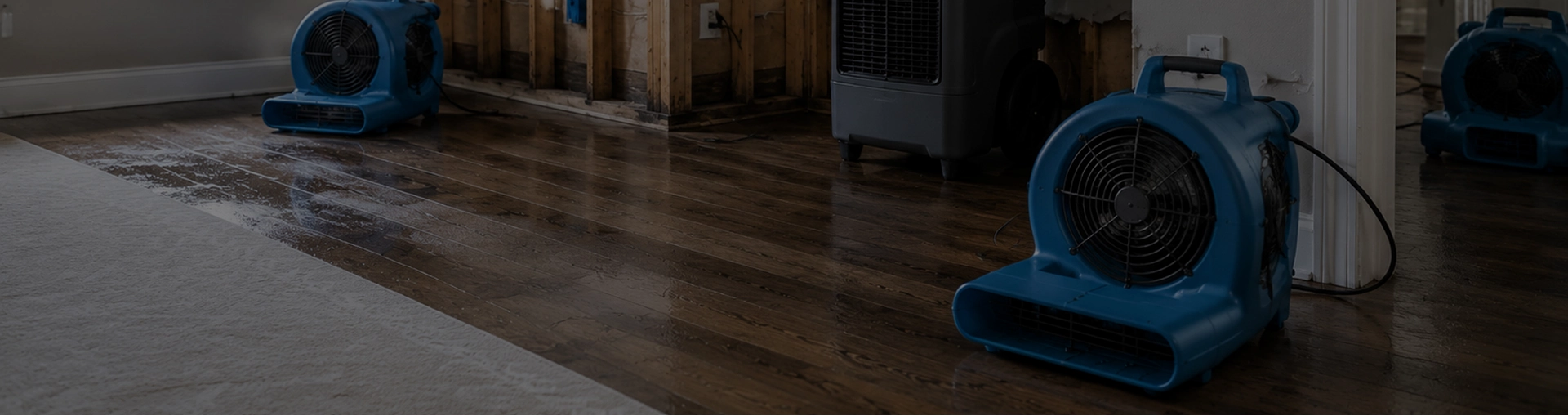
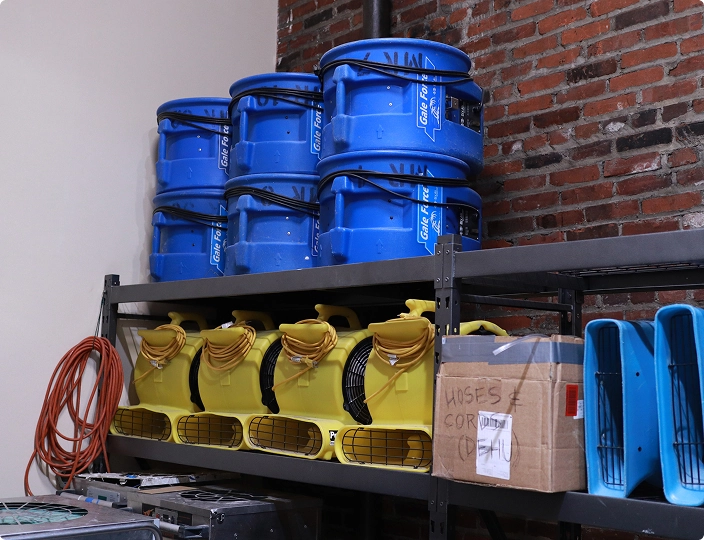
Air movers and commercial dehumidifiers are positioned strategically to pull moisture from materials as efficiently as possible.

We return regularly to check moisture readings, adjust equipment, and track progress against a verified drying goal.

Once instrument readings confirm materials are back to a safe moisture level, we document the results and close out the drying phase.
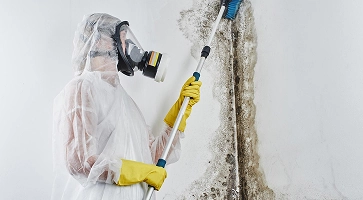
Safe mold removal and treatment for damage caused by moisture that was not dried quickly enough.
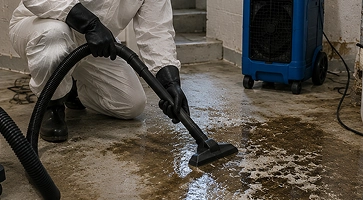
Professional sewage extraction, cleanup, and sanitization for backups and contaminated water damage.
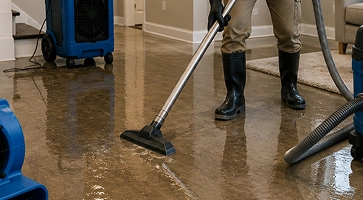
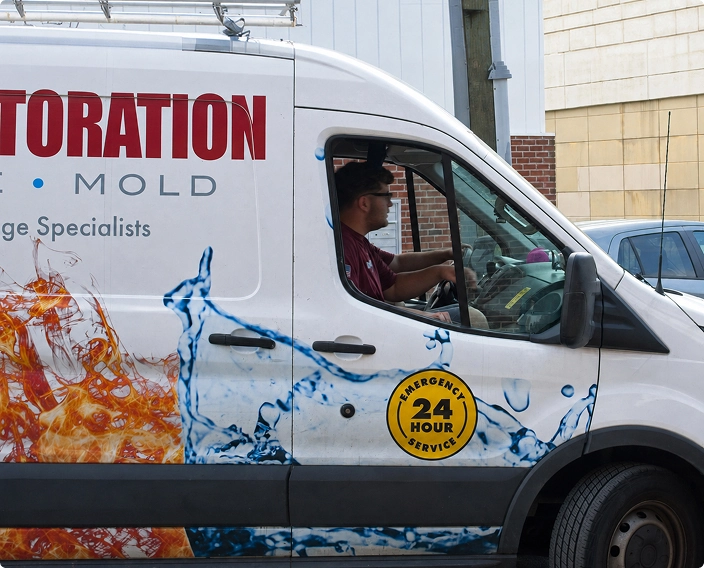
24/7 emergency water extraction to limit structural damage, prevent mold, and protect your property.
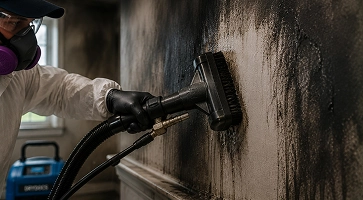
Complete smoke, soot, and odor removal with structural cleanup after fire-related property damage.
Structural drying is typically covered as part of a water damage claim when the underlying cause — like a burst pipe or appliance failure — is itself covered. Ongoing humidity issues unrelated to a specific covered event, such as ordinary crawlspace moisture, are more likely to fall outside standard coverage. DryDocs logs daily moisture readings and drying progress, giving your adjuster a clear, documented record to support the claim.
Not sure what your policy covers, or need help with the claims process? Visit our Insurance Help or What Is Covered pages for a full breakdown.
Dealing with a damp basement, crawlspace, or recent water damage? Send us your information and a DryDocs technician will reach out right away.
DryDocs provides structural drying and dehumidification services throughout Pennsylvania and New Jersey, proudly serving homeowners and businesses across the greater Philadelphia region and South Jersey. Not sure if you're in our service area? Call us — we may still be able to help.
A structural drying service removes moisture trapped inside walls, subfloors, framing, and other building materials after water damage — using air movers, dehumidifiers, and moisture monitoring until the space is verified dry, not just visibly dry.
Basement dehumidification focuses on controlling humidity in a space that’s naturally prone to moisture — concrete floors, foundation walls, and limited airflow — often requiring higher-capacity equipment and longer run times than a typical room.
Yes, often. Crawlspaces can hold high humidity from ground moisture even without standing water, and that moisture can travel up into your home’s flooring and framing over time if it’s never addressed.
It depends on the size of the space and how much moisture has been absorbed into materials, but most structural drying projects take three to five days, verified with daily moisture readings rather than a fixed schedule.
For minor, ongoing humidity control, a consumer unit can help — but after actual water damage, a household dehumidifier usually can’t remove moisture fast enough to prevent mold. Professional structural drying services use commercial-grade equipment sized to the problem.
We use moisture meters to take instrument readings in walls, subfloors, and framing, and compare them to a dry standard for that material — not a visual check or a guess.
Structural drying is typically covered when it’s tied to a covered water damage event, like a burst pipe. General humidity issues unrelated to a specific covered event are less likely to be included. See our What Is Covered page for more detail.
Thorough, verified drying is one of the most effective ways to prevent mold growth, since mold needs sustained moisture to take hold. That’s why we don’t stop equipment based on a timeline — we stop based on moisture readings.
Leave your details - we'll call you back and schedule your free on-site visit.
No obligation. We answer 24/7.
 Call Now