Skip to content

How to File a Homeowners Insurance Claim

Water, mold, sewage, and smoke damage move fast — and so does the clock on your insurance claim. Filing it correctly from day one is what separates a smooth payout from a drawn-out dispute. 

Call Us

Step-by-Step Filing Process

Whether you're dealing with a burst pipe or a kitchen fire, the process below is the fastest, cleanest path from damage to payout.

Step 1

Report the Damage

Call DryDocs for an emergency assessment as soon as you notice damage. Acting within the first 24-48 hours helps prevent secondary issues like mold growth and supports your claim from the start.

Step 2

Document the Damage

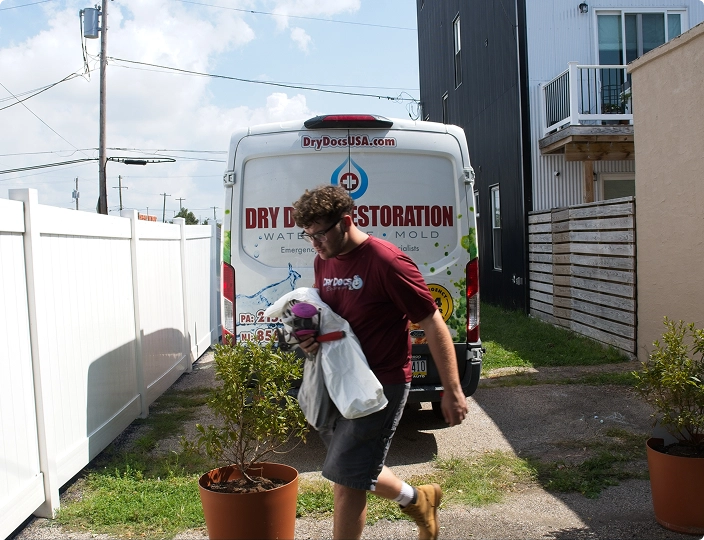
Our technicians photograph and video the affected areas, record moisture readings, and document the visible source of loss before mitigation begins, ensuring important evidence is preserved for your insurance claim.

Step 3

Contact Your Insurer

Call your insurance provider or file your claim online as soon as possible. Have your policy number ready, provide the basic loss details, and request a claim number for your records.

Step 4

Submit Your Documentation

Send your photos, moisture readings, repair estimates, and relevant receipts with your claim. Providing complete documentation from the start helps reduce follow-up requests and keeps the review process moving efficiently.

Step 5

Schedule the Inspection

Arrange a time for the insurance adjuster to inspect the property. DryDocs can meet them on-site, explain the damage, and help ensure the inspection reflects the full scope of the loss.

Step 6

Track Your Claim

Stay in contact with your adjuster, save copies of emails and estimates, and review the proposed settlement carefully. Make sure the approved repair scope accurately reflects the damage before signing off.

Required Documentation

Insurers move faster and pay out more fairly when your file is complete. Use this checklist before you submit:

  • Photos and video of the damage, taken before mitigation begins
  • DryDocs’ initial assessment report and moisture readings
  • Proof of the source of loss (pipe burst, sewer backup, fire, etc.)
  • Repair and restoration estimates or invoices
  • Receipts for damaged personal property or equipment
  • Proof of ownership or lease agreement for the affected property
  • Your insurance policy number and adjuster’s contact information


Common Mistakes to Avoid

Most claim denials and delays trace back to a handful of avoidable errors:

  • Waiting too long to report the damage, which can make an insurer question the claim or the amount of loss
  • Throwing away damaged items or starting repairs before everything is documented
  • Submitting incomplete or blurry photo evidence that leaves the extent of damage in question
  • Skipping a professional assessment before repairs begin, which insurers often flag or dispute
  • Filing for damage that’s cosmetic or under your deductible — know when not to file an insurance claim so a minor repair doesn’t raise your future premiums


How Long Do You Have to File an Insurance Claim

Timing matters as much as documentation. The longer water sits, the more room mold has to spread — and the more a small leak can turn into structural damage. Most insurers expect a claim to be reported within days of discovering the loss, but exact deadlines vary by policy and by state, and some policies set separate limits for reporting the damage versus submitting final proof of loss.

Check your policy documents or call your provider to confirm your specific filing window — and when in doubt, report the damage right away. It’s always easier to close out a claim you didn’t need than to fight for one filed too late.


Talk to Us Before Your Adjuster Visit

Have an adjuster inspection coming up? Send us your information and a DryDocs specialist will help you prepare.

Call Now