24/7 Available
 215-999-6013

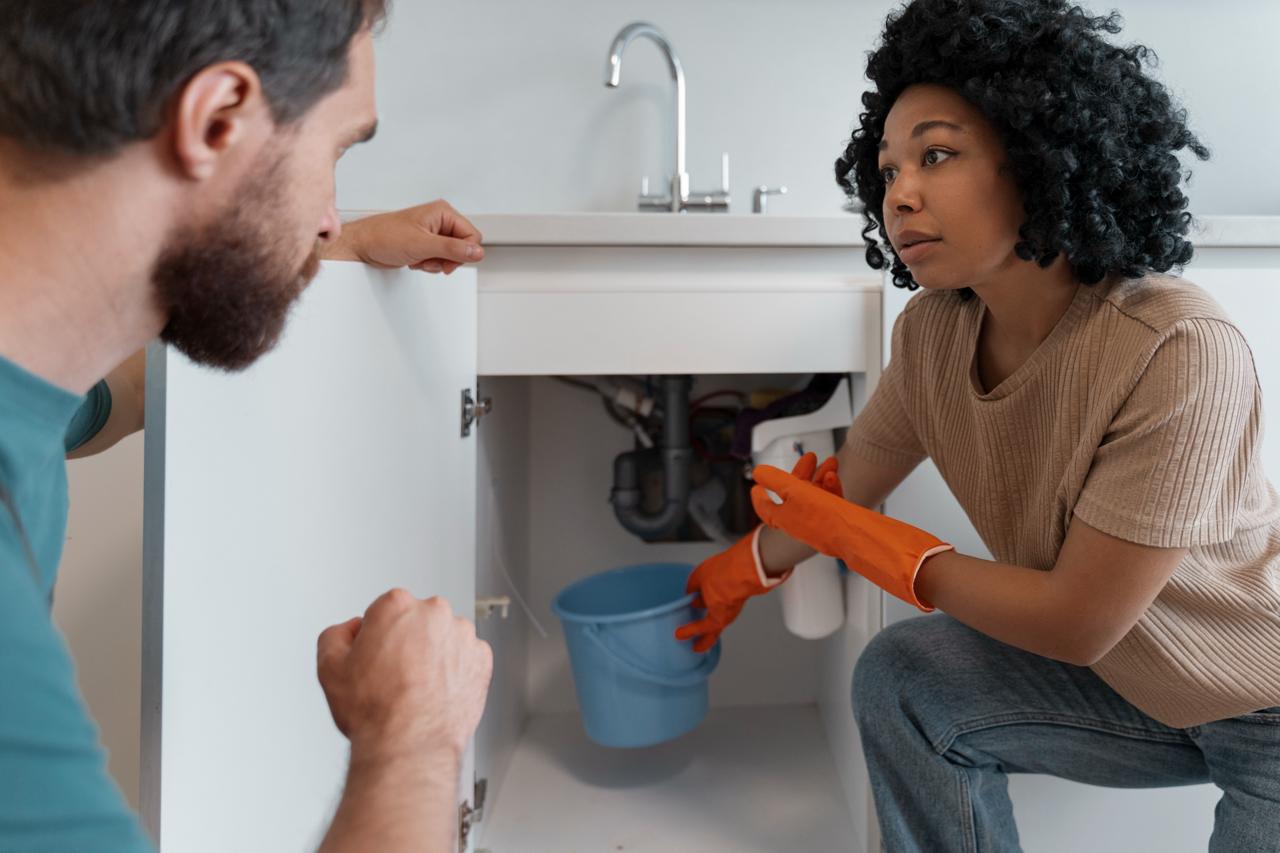
A burst pipe can release hundreds of gallons of water in an hour. Within minutes it is soaking drywall, spreading under flooring, and running into ceilings below. What you do in the first hour decides how much of the property gets dried and how much gets torn out.
Knowing what to do when a pipe bursts comes down to a short, ordered list: stop the water, make the area safe, document everything, and get the water out fast. The steps below walk through each one, along with what happens to the structure if water is left in place.
In South Florida, the stakes are higher. Slab-on-grade construction holds moisture against flooring, condo units share walls and ceilings with neighbors, and year-round humidity means mold can start within 24 to 48 hours. If water is spreading right now, call Dry Docs Restoration at (561) 898-1008 for 24/7 emergency water extraction and drying.
Key Takeaways
- Shut off the main valve first. Every minute of flow adds water to the structure. Find your main shutoff valve before you need it.
- Electricity and water do not mix. Cut power at the breaker to affected areas, unless the panel itself is wet.
- Document before you clean. Photos and video of the burst, the water, and damaged belongings are the foundation of the insurance claim.
- Water travels farther than it looks. It wicks up drywall, runs under flooring and subfloor, and drops through ceilings into the rooms below.
- 24 to 48 hours. Mold can begin growing on wet materials in this window, and Florida humidity pushes it toward the fast end.
- Most South Florida bursts are not frozen pipes. Aging pipe materials, corrosion, high water pressure, and failed supply lines cause most local losses.
- Insurance turns on sudden versus gradual. A sudden burst is often covered. Long-term leaks and the repair of the pipe itself frequently are not.
Shut Off the Main Water Valve First
Nothing else matters while water is still flowing. Your first move is to stop it at the source.
- Find the main shutoff valve. In most South Florida single-family homes, it sits near the water meter at the front of the property, on the exterior wall where the main line enters, or in the garage near the water heater.
- Close it fully. Turn a round gate valve clockwise until it stops. Turn a lever-style ball valve a quarter turn so the handle sits perpendicular to the pipe.
- Use a local valve if you can’t reach the main. Toilets, sinks, washing machines, ice makers, and water heaters usually have their own shutoff valves.
- Condos and apartments. Many units have a shutoff in a utility closet, near the water heater, or by the unit entry. If you cannot find it, call building maintenance or the association’s emergency line immediately.
- Meter-side shutoff. If the house valve is stuck or broken, the utility’s valve at the meter box can stop the flow. Call your water utility if you are unsure how to operate it.
Walk through the property today and find the valve. Label it, test that it turns, and make sure every adult in the household knows where it is. A stuck valve discovered during an emergency can cost hundreds of gallons.
Cut Power to Affected Areas
Water conducts electricity. Before anyone steps into standing water, deal with the power.
- Turn off the breakers serving the wet area at the electrical panel, if you can reach the panel without standing in water.
- Do not touch a wet panel. If water has reached the electrical panel, or you would have to walk through water to get to it, stay out and call the utility or a licensed electrician.
- Leave plugged-in devices alone while you are standing in water. Wait until the power is confirmed off.
- Watch the ceiling. Water above a ceiling often follows wiring into light fixtures and ceiling fans. Turn those circuits off as well.
- Turn off the water heater. With the water supply closed, a tank water heater can be damaged by running without water. Switch off the breaker for an electric unit, or set a gas unit to pilot.
If you smell burning, hear buzzing, or see sparks, leave the property and call 911.
Drain the Plumbing System
Closing the main valve stops new water, but the pipes still hold pressure and volume. Draining them reduces what keeps escaping from the break.
- Open the lowest faucet in the property. An outdoor hose bib or a ground-floor tub usually works best.
- Open a faucet on an upper level to let air into the system so the lines drain fully.
- Flush the toilets to empty the tanks.
- Leave the faucets open until a licensed plumber has completed the repair.
In a high-rise condo, draining may be controlled by the building because risers serve multiple units. Follow the association’s instructions rather than opening valves on your own.
Find the Source of the Burst
Knowing where the water came from tells you where the damage has spread, and it helps both the plumber and the insurance adjuster.
- Follow the water. Find the wettest spot and trace it back toward the plumbing.
- Check common failure points. Supply lines under sinks and toilets, washing machine hoses, the water heater and its connections, refrigerator ice maker lines, and pipes running through the attic.
- Look for bulging drywall or ceiling stains. A pipe that bursts inside a wall or ceiling usually announces itself this way.
- Listen. Running or hissing water inside a wall can mean a line is still draining.
- Check the water meter. If the meter dial still moves with every fixture and the main closed, water may be escaping from the main line or from a slab leak beneath the foundation.
Do not cut into walls or ceilings to hunt for the break. Leave that to a licensed plumber and a restoration crew with thermal imaging and moisture meters, who can open only what needs to be opened.
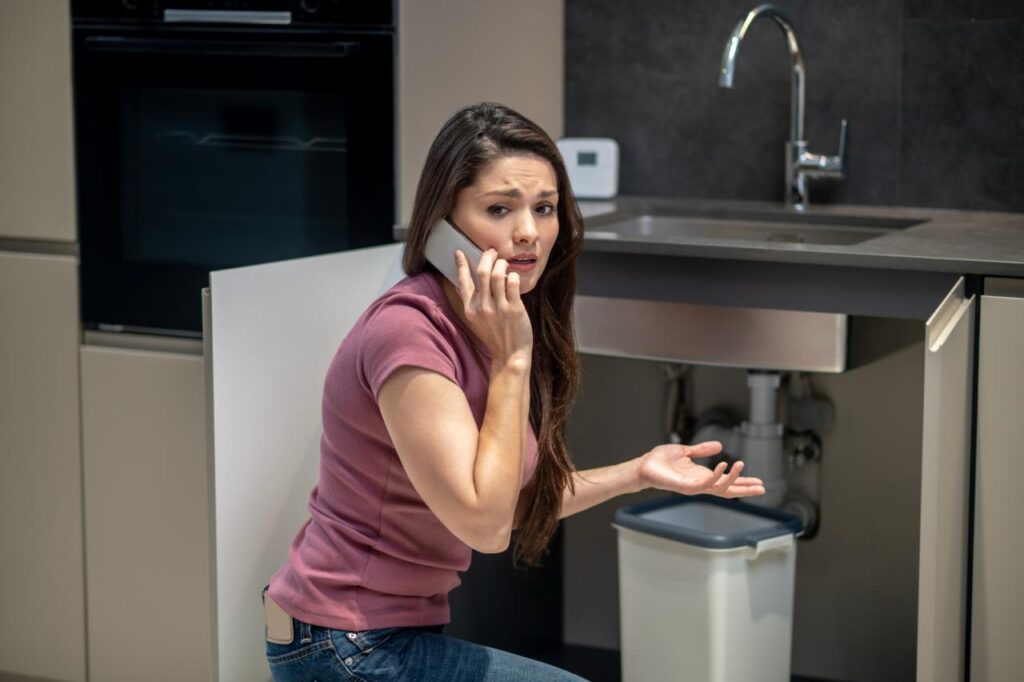
Document the Damage for Insurance
Before you move anything or start cleanup, record it. This is your one chance to capture the loss as it happened.
- Photograph and video every affected room, including wide shots and close-ups of the water line on walls, cabinets, and furniture.
- Capture the burst pipe itself. If the plumber removes the failed section or fitting, keep it. The adjuster may want to see it.
- List damaged belongings with their approximate age, value, and receipts if you have them.
- Note the times. Write down when you discovered the leak and when you shut off the water.
- Keep every receipt. Plumbing repairs, emergency extraction, supplies, and any hotel stays if the property is unlivable.
- Report the claim promptly. Call your carrier or agent as soon as the water is stopped. Florida law sets deadlines for reporting property claims, and prompt notice protects your position.
Do not throw out damaged items until the adjuster has seen them or approved disposal, unless they pose a health hazard. Photograph them either way.
Remove Standing Water and Protect Belongings
Once the water is off and the area is safe, speed is everything. Burst pipe cleanup starts with getting water out of the structure.
- Extract standing water. A wet-vac can handle a small area. Water spread across multiple rooms, deeper than about an inch, or soaked into carpet and padding needs commercial extraction equipment.
- Move belongings out. Take furniture, electronics, rugs, and documents to a dry room. Set blocks or aluminum foil under furniture legs that have to stay.
- Pull up area rugs. Wet rugs stain and transfer dye to the flooring underneath.
- Lift draperies and furniture skirts off the wet floor.
- Open cabinets and drawers in wet areas so air can circulate.
- Keep the AC running. In South Florida, air conditioning removes moisture from indoor air. Opening windows on a humid day brings more moisture in.
Never use a household vacuum on water, and stay out of any room with a sagging ceiling.
Wet carpet padding deserves special attention. It holds water long after the carpet above feels dry and is one of the fastest materials to grow mold, so it is usually pulled and replaced rather than dried in place. Saturated ceiling drywall and insulation below an upstairs burst typically need to come down for the same reason.
Why Water Travels Farther Than You Think
Burst pipe water damage is almost always larger than the visible puddle.
- Wicking. Drywall draws water upward, often well above the visible water line.
- Under flooring. Water runs beneath tile, laminate, vinyl plank, and wood, and spreads across the subfloor or concrete slab.
- Into wall cavities. Insulation and the bottom plate of the wall absorb water out of sight.
- Through ceilings. In two-story homes and condos, water from an upstairs pipe drops into the ceilings and walls below — including a neighbor’s unit.
- Along the slab. Slab-on-grade construction, standard across South Florida, holds moisture against flooring and baseboards long after the surface looks dry.
- Under cabinets. Toe kicks and cabinet bases trap water against particleboard, which swells and delaminates.
That is why professionals map moisture instead of judging it by eye. Thermal imaging and moisture meters show where the water actually went, so drying covers the whole affected area instead of only the obvious one.
In condo buildings, a burst pipe often involves more than one unit and more than one insurance policy — typically the unit owner’s policy and the association’s master policy. Notify building management right away so affected neighbors can act too.
How Long You Have Before Mold Sets In
Mold can begin growing within 24 to 48 hours of water exposure. In South Florida’s warmth and humidity, that window often runs at the short end.
- Hours 0–24: Water spreads and saturates materials. Fast extraction and drying in this window can prevent mold entirely.
- Hours 24–48: Spores begin germinating on damp drywall, carpet padding, and wood.
- Days 3–7: A musty odor appears, followed by visible discoloration on walls and baseboards.
- Beyond a week: Growth spreads into wall cavities, materials deteriorate, and the job shifts from drying to mold remediation.
Household fans and towels dry surfaces, not structures. Professional drying uses commercial dehumidifiers and air movers, with daily moisture meter readings, until materials reach documented dry standards. Structural drying commonly takes several days, depending on the materials involved and how quickly it started.
Why Pipes Burst and Why Winter Is Peak Season
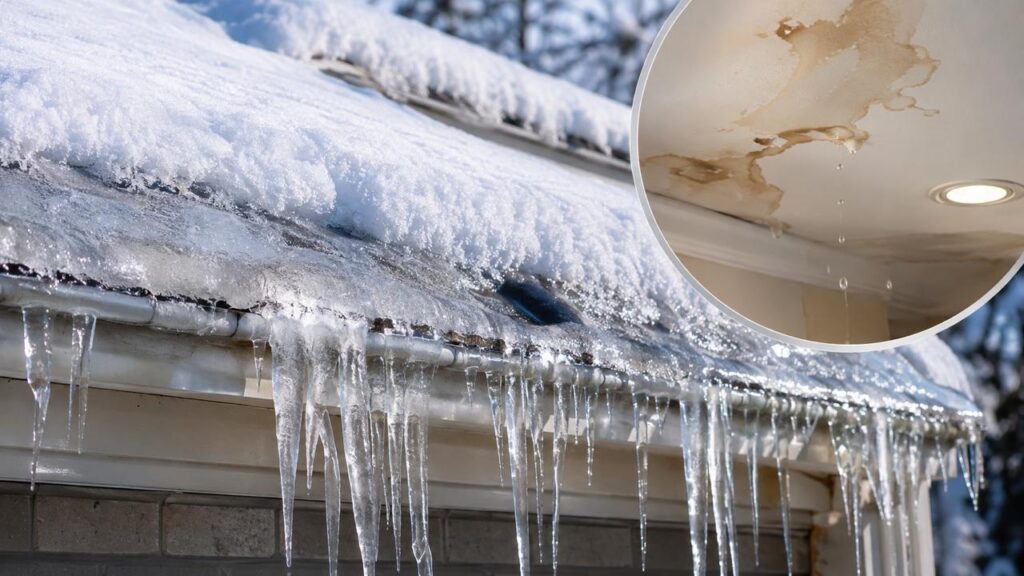
Across most of the country, winter is peak season for burst pipes because of freezing. Water expands as it freezes, building pressure between the ice blockage and the closed faucet until the pipe splits. A frozen pipe burst often does not leak until the thaw, when water starts flowing through the crack.
South Florida rarely freezes, but winter is still a high-risk season here for different reasons. Learn more about frozen pipe leaks and how they are repaired.
- Seasonal homes come back online. Owners return to homes that sat closed for months. Supply lines, valves, and water heaters that degraded in the summer heat fail once the system is back under daily use — or have already been leaking in an empty home.
- Cold snaps catch exposed plumbing. Occasional cold fronts can damage exterior pipes, irrigation backflow preventers, and lines in unconditioned spaces that were never built for freezing temperatures.
- Heavier household use. Holiday guests and full occupancy put more load on plumbing systems.
Year-round, the most common causes of burst pipes in South Florida are:
- Aging pipe materials. Polybutylene installed in many homes built from the late 1970s through the mid-1990s, galvanized steel, and older cast iron drain lines all deteriorate with age.
- Corrosion. Pinhole leaks in copper lines can grow into a sudden rupture.
- High water pressure. Pressure above roughly 80 psi stresses pipes, fittings, and appliance hoses.
- Failed supply lines. Braided hoses on toilets, sinks, and washing machines have limited lifespans.
- Water heater failure. Tanks corrode from the inside and can rupture.
- Slab leaks. Pipes beneath the foundation shift and wear against concrete.
- Ground movement and roots. Both can crack the main line between the meter and the home.
Prevention is simple: install a pressure regulator if pressure runs high, replace appliance supply hoses on a regular schedule, consider an automatic leak-detection shutoff valve, and close the main water valve before leaving a seasonal home for months.
Does Homeowners Insurance Cover a Burst Pipe?
Does insurance cover burst pipes? Often, when the burst is sudden and accidental. The policy language and the cause of the failure decide the rest.
- Often covered: Sudden, accidental water damage from a burst pipe — wet drywall, flooring, cabinets, and belongings — and the cost of tearing out part of the structure to reach the break.
- Often not covered: Repairing or replacing the failed pipe itself.
- Often excluded: Damage from a slow leak that continued over time. Many policies exclude continuous or repeated seepage or leakage over 14 days or more.
- Freezing in vacant homes: Many policies limit coverage for freezing damage when a home was unoccupied and the water was not shut off or heat was not maintained.
- Water damage limits: Some Florida policies cap water damage coverage or tie certain benefits to the carrier’s managed repair program. Check your declarations page.
- Mold is frequently capped: A mold sublimit is often far lower than dwelling coverage.
- The mitigation clause matters. Policies require reasonable steps to prevent further damage. Delayed extraction and drying can reduce the claim.
When the adjuster visits, provide your photos and video, the plumber’s report on the cause, and the restoration company’s moisture readings and drying logs. Written records from the first day carry weight.
Dry Docs Restoration works directly with your insurance provider to streamline the claims process, with documented moisture mapping, photo records, and drying logs the adjuster can review.
How Professional Burst Pipe Restoration Works
Professional restoration covers the full path, from emergency mitigation to the final rebuild.
- Inspection and moisture mapping. Technicians confirm the water is off, check for safety hazards, and map moisture with thermal imaging and moisture meters.
- Water extraction. Truck-mounted and portable extraction units remove standing water from floors, carpet, and padding.
- Controlled removal. Saturated drywall, insulation, padding, and baseboards that cannot be dried are removed, usually with flood cuts above the wicking line.
- Structural drying. Commercial dehumidifiers and air movers run while daily readings track progress toward dry standards.
- Cleaning and antimicrobial treatment. Affected areas are cleaned and treated to reduce the risk of mold growth.
- Reconstruction. Drywall, insulation, flooring, cabinetry, trim, and paint are replaced to return the property to pre-loss condition.
Throughout the job, every reading, photo, and removed material is logged. That record shows the adjuster exactly what was wet, what was removed and why, and when the structure reached dry standards — which keeps the claim moving and confirms the walls are not closed up over damp framing.
Using one company for both mitigation and reconstruction keeps documentation consistent and avoids gaps between drying and rebuilding. Dry Docs Restoration handles both, so property owners work with one team from the first call to the final coat of paint.
Water Still Spreading? Call Now.
A burst pipe does not wait until morning, and every hour of standing water adds to the drying and rebuild. Fast local dispatch is available around the clock across Broward County, Palm Beach County, Miami-Dade County, and surrounding South Florida communities.
Call Dry Docs Restoration right now at (561) 898-1008 for 24/7 emergency burst pipe cleanup and water extraction.
AI Summary
When a pipe bursts, the first step is to close the main shutoff valve, usually located near the water meter, where the main line enters the home, or in the garage near the water heater; condo owners may need building maintenance. Next, cut power at the breaker to wet areas unless the panel itself is wet, turn off the water heater, and drain the plumbing by opening the lowest and highest faucets. Locate the source by tracing the water and checking supply lines, appliance hoses, the water heater, and the meter for signs of a slab or main-line leak, but leave wall and ceiling openings to professionals. Document all damage with photos and video before cleanup and report the claim promptly. Burst pipe cleanup begins with extracting standing water and moving belongings, and burst pipe water damage usually extends well beyond the visible puddle through wicking drywall, subfloor, slab, wall cavities, and ceilings below. Mold can begin within 24 to 48 hours, so professional drying with dehumidifiers, air movers, and moisture meter readings is critical. Nationally, a frozen pipe burst makes winter peak season; in South Florida, winter risk comes from seasonal homes returning to use, occasional cold snaps, and heavier occupancy, while aging pipes, corrosion, high pressure, failed supply lines, water heaters, and slab leaks cause most losses. Insurance often covers sudden burst pipe damage but frequently excludes the pipe repair, long-term leaks, and some freezing losses in vacant homes. Professional restoration moves from inspection and extraction through controlled removal, drying, antimicrobial treatment, and reconstruction. Dry Docs Restoration provides 24/7 water extraction, structural drying, mold remediation, and reconstruction across Broward, Palm Beach, and Miami-Dade counties. Call (561) 898-1008.